
Longevity
A room for the decades ahead
A home gym is the room where you invest in the next decades of your life. That changes how it should be planned: for strength you can keep, for recovery, and to be built once.

01
Strength, for life
From around forty the body gradually gives up muscle and strength when nothing asks it to keep them. Doer's article on training after forty cites a University of Costa Rica study on that decline, and the European working group on sarcopenia, which describes it as a matter of function, not of appearance.
The same article cites the PURE study, published in The Lancet in 2015, in which grip strength was associated with the risk of death, including from cardiovascular causes. Grip is read there as a mirror of general strength.
What that asks of the practice
The World Health Organization recommends regular strength work every week, alongside aerobic activity rather than in place of it. In practice that means compound movements, squat, deadlift, push and pull, with load that rises gradually, and consistency ahead of intensity.
What that asks of the room
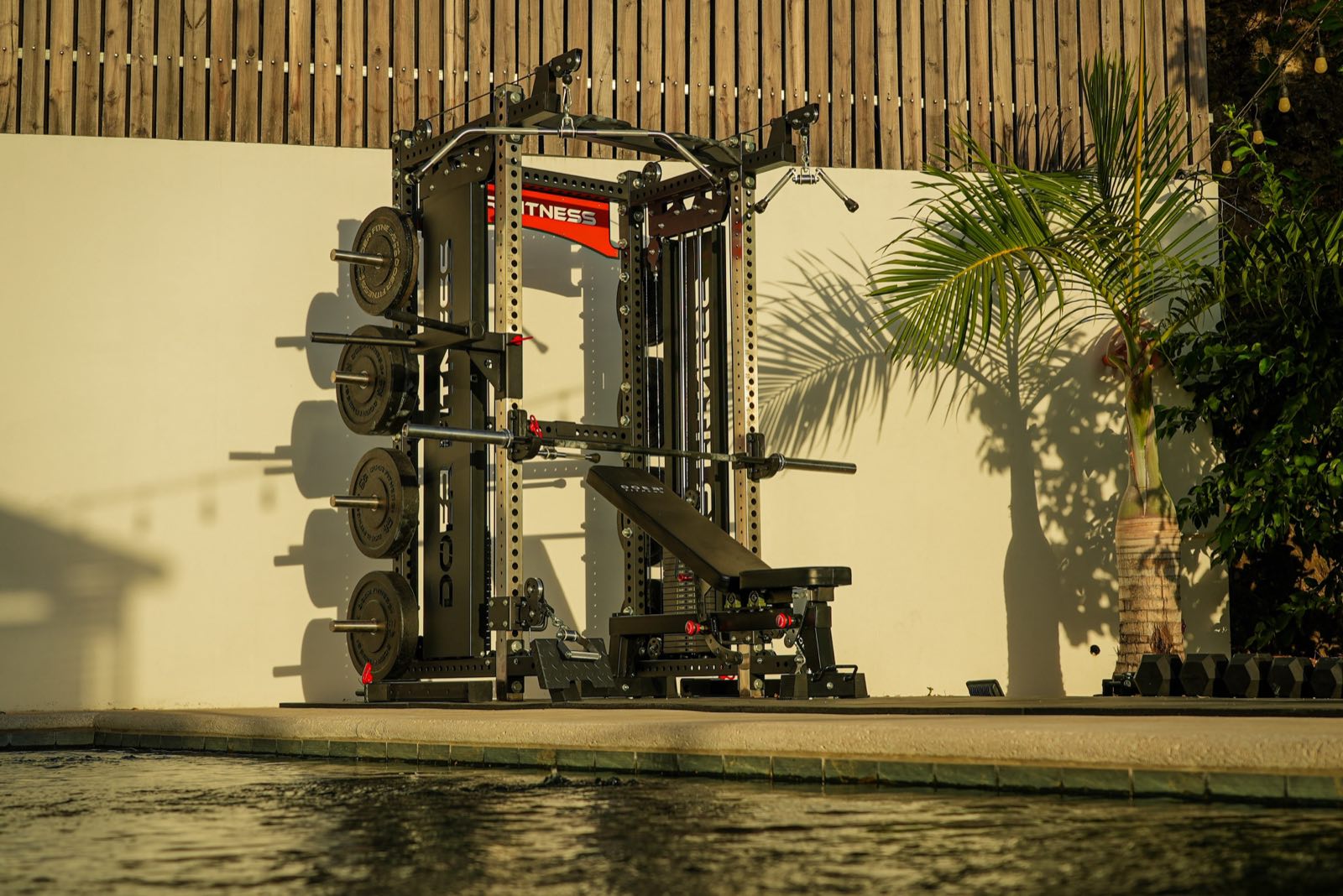
Progression means the load rises year after year. So the structure in the middle of the room has to be one you will not outgrow, and the room has to be close enough to use without planning the trip. That is the case for building it at home, and for building it around a frame of 11-gauge steel.

02
Recovery: heat and cold
The long-term evidence on sauna comes from Finland. Cohort studies published in JAMA Internal Medicine by Laukkanen and colleagues followed men over many years and associated frequent use of the traditional sauna with lower cardiovascular and all-cause mortality.
That evidence concerns the traditional Finnish sauna. Infrared cabins share some of the mechanisms, but their studies are smaller and shorter. We say so plainly because the ITERA Ember 100 line we plan around is infrared.
Cold has its own rule. A systematic review in the European Journal of Sport Science found that cold water immersion immediately after strength training can blunt muscle growth. In a room planned for the long run, the Cold Plunge ITERA Zero and the rack are used apart.
Heat and cold are real stress on the body. Do not combine sauna with alcohol, begin with short sessions, and speak with a health professional first, particularly with a heart or blood-pressure condition or during pregnancy.
Plan the recovery zone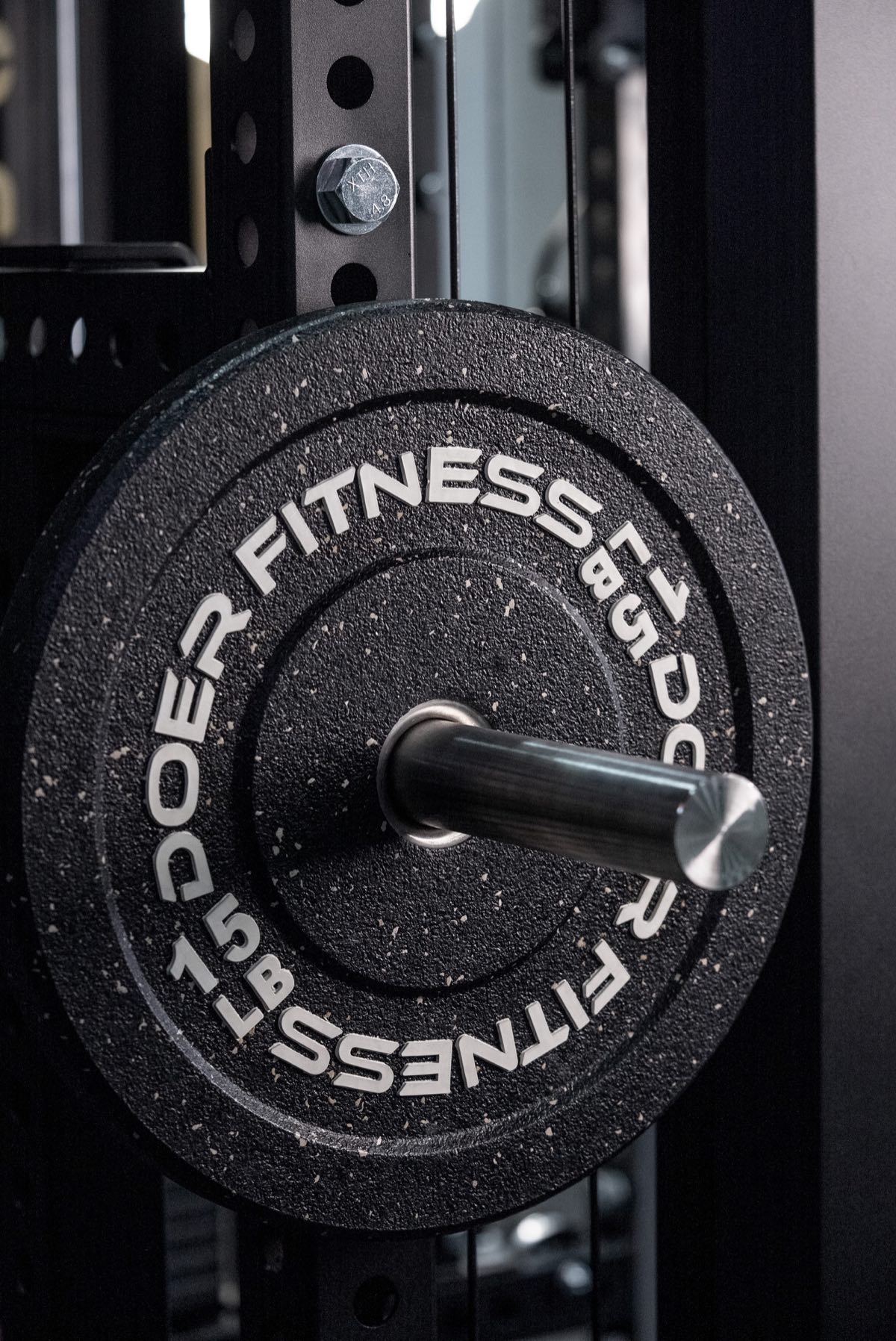
03
Permanence
A room meant for decades is made of things that do not ask to be replaced. The frame is 11-gauge steel, 3 mm thick. The finish is a matte black powder coat chosen for humid climates. The floor is 20 mm rubber laid without adhesive, so it can be lifted and relaid if the house changes.
Doer Fitness states that its Black Series line is built for more than seven years of continuous heavy commercial use. A home asks far less of the same equipment.
Read about materialsPermanence, in figures
Steel
11gauge
Steel 3 mm thick in the frames of the TOTUM and the Black Series line.
Mass
600kg
Approximate mass of the TOTUM Power Rack, according to Doer Fitness.
Service
7+years
Of continuous heavy commercial use: what Doer Fitness states the Black Series line is built for.
The habits around the room
Doer's article on long-term habits lists five: moving every day beyond formal training, sleeping on a regular schedule, keeping real social ties, eating mostly plants without extremes, and holding a clear sense of purpose. It draws on research into long-lived populations, among them the Nicoya peninsula in Costa Rica, where Doer Fitness is from.
A room cannot supply any of them. What a plan can do is leave space for them: a clear floor for daily movement, a recovery corner that closes the day, and enough room to train alongside someone else. That is studio judgement, not research.
Questions
Is it too late to start strength training after 40 or 50?
Doer's article on training after forty answers no, and points to the World Health Organization's recommendation of regular weekly strength work for adults. Start gradually and speak with a health professional first.
Does cardio replace strength training?
No. They are different kinds of work, and the public-health recommendation cited in Doer's article is to do both rather than choose one.
Is an infrared sauna backed by the same evidence as a traditional sauna?
No. The long-term cohort studies were done on traditional Finnish sauna. Infrared cabins share some mechanisms, such as raised circulation and sweating, but their studies are smaller and shorter.
Should I use a cold plunge straight after lifting?
Not if building muscle is the goal. A systematic review in the European Journal of Sport Science found that cold water immersion right after strength training can reduce muscle growth. Keep the two apart.
What makes a home gym last?
Three material decisions and one planning decision: 11-gauge steel, a powder-coat finish chosen for the climate, 20 mm rubber flooring, and a layout with room to add load and equipment without starting over.
Sources
This page restates, in our own words, three articles from the Doer Fitness blog: on strength training after forty, on long-term habits, and on sauna and cold. The studies named are the ones those articles cite: the PURE study (The Lancet, 2015); Laukkanen and colleagues (JAMA Internal Medicine); a systematic review of cold water immersion and strength training (European Journal of Sport Science); a University of Costa Rica study on age-related muscle loss; the EWGSOP2 definition of sarcopenia; and the World Health Organization's physical activity recommendations. We give no figures from them here.
Built once. Built right.
The studio
Every room starts with a conversation about the room.
Bring the measurements, the ceiling height and what you want to train. The Doer Fitness team turns them into a layout before a single piece of equipment is chosen.
Request a private consultation